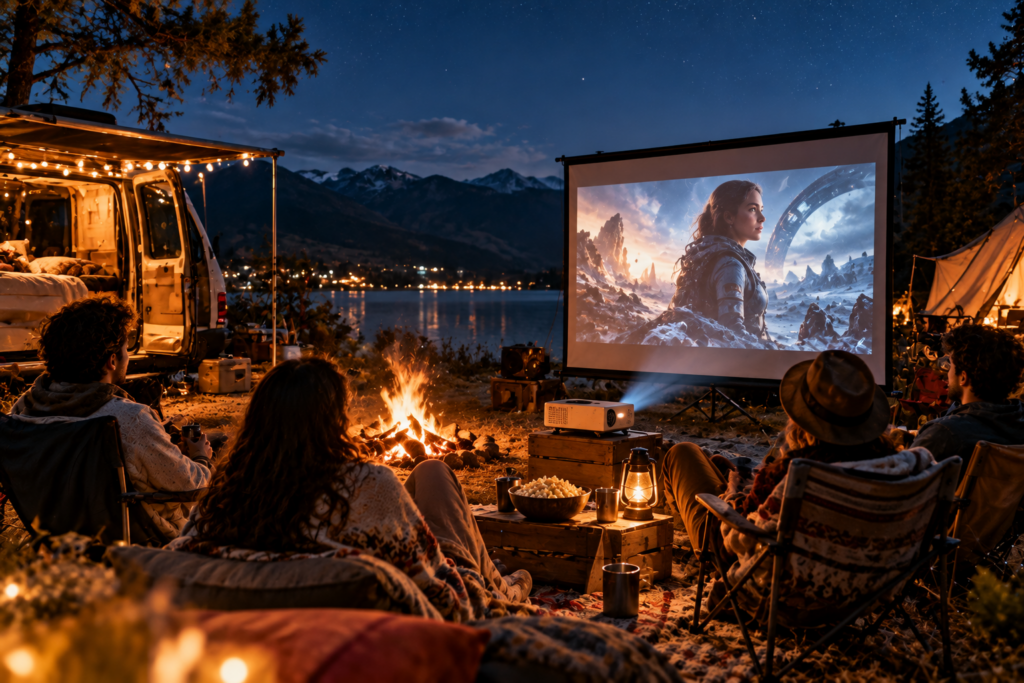
Latest Movies 2026: How Outdoor Cinema Is Bringing New Releases Into the Great Outdoors
Digital entertainment is changing how travellers plan their downtime, making it possible to enjoy films during camping trips, road adventures and evenings beneath the stars. With a compatible device, a reliable playback option and enough battery power, the latest releases can become part of an outdoor experience rather than a reason to stay indoors. The key is to prepare for limited connectivity, protect the natural setting and choose entertainment that suits the occasion.
An evening in the mountains or beside a quiet campsite does not have to mean giving up the latest entertainment. For travellers who want to explore the latest movies 2026, browser-based film catalogues offer a convenient way to discover new releases, from large-scale action adventures and tense thrillers to romantic stories and Korean dramas. With a smartphone or tablet, a suitable internet connection and a little preparation, a film can become part of a camping evening without turning the trip into an extension of the living room.
The idea reflects a broader change in how people combine technology with leisure. Outdoor travel offers distance from everyday routines, while digital entertainment provides a familiar way to unwind when the day’s hiking, driving or exploring is over. Used thoughtfully, the two experiences can complement each other.
Cinema Moves Beyond the Living Room
Outdoor entertainment has a long history, from open-air film screenings to drive-in cinemas. What has changed is the equipment needed to create a small personal viewing experience. A modern tablet, a compact projector or a phone connected to a portable speaker can offer several possibilities for an evening at a campsite.
The setting itself changes the experience. Watching a suspenseful film while rain taps against a tent or choosing an adventure movie after a day on the trail can make an ordinary viewing session feel connected to the trip. For a group travelling together, a carefully chosen film can also become a shared activity after sunset.
This does not mean that every outdoor evening needs a screen. The appeal of camping often comes from conversation, quiet surroundings and the opportunity to disconnect from digital demands. Outdoor cinema works best as an optional activity that complements the experience rather than replacing it.
A little planning helps preserve that balance. Choosing a film before darkness falls, preparing the viewing equipment and agreeing on a reasonable volume can prevent a relaxing evening from becoming a technical exercise.
Discovering New Releases Before the Trip
One advantage of online entertainment is the ability to explore a catalogue before leaving home. Moviewala’s English-language website brings together films and series from several genres and cinematic traditions, with sections that include recent titles and productions from Hollywood, Bollywood and other film industries. Its catalogue can provide a starting point for deciding what might suit an upcoming trip.
The most useful choice depends on the kind of outdoor experience planned. A group at an established campsite may enjoy a visually spectacular adventure film, while someone spending a quiet evening in a tent might prefer a mystery or character-driven drama. A romantic film or a Korean series can also suit a relaxed evening when the aim is to slow down rather than seek constant excitement.
The important distinction is between discovering a title online and confirming that it will play reliably in a remote location. A film catalogue may be accessible through a mobile browser, but actual playback still depends on network coverage, device compatibility and the service’s streaming requirements.
Before departure, it is worth opening the selected title on the intended device and checking that the playback process works as expected. This small test can prevent an anticipated film night from turning into an evening spent troubleshooting a connection.
Browser-Based Viewing and PWA Convenience
Progressive web apps, commonly known as PWAs, offer a way for compatible websites to behave more like applications. Depending on how a site is built, a PWA may be added to a device’s home screen and opened through a familiar icon without requiring a conventional app-store installation.
For outdoor travellers, this approach can make access more straightforward. A browser-based platform such as Moviewala can be opened on a compatible smartphone, allowing viewers to browse film categories and explore titles without installing a separate native application merely to access the website.
However, a PWA does not automatically make a film available offline. The ability to save pages, cache resources or play video without an internet connection depends on the site’s technical implementation and the way its media is delivered. A cached page may preserve parts of an interface without storing the full film.
That distinction matters in remote environments. Before relying on a browser-based service in the mountains or forest, travellers should verify the playback requirements and any officially supported offline options. If offline downloads are unavailable, choosing an authorised service that explicitly supports downloads may be a more dependable alternative.
Preparing for Weak Signals and Interrupted Connectivity
Internet access can change dramatically between a town, a campsite and a remote trail. Mobile coverage may be strong near established facilities but unreliable behind hills, among dense trees or far from populated areas. A film that plays smoothly at home may buffer repeatedly when the signal becomes weak.
The simplest preparation is to test connectivity before leaving. Travellers can check the expected coverage along their route, identify whether the campsite has Wi-Fi and determine whether the intended viewing service requires a continuous connection. A short playback test using the actual device and network can reveal problems before the trip begins.
A mobile hotspot or portable router may help when cellular coverage is available but needs to be shared across devices. It cannot create a reliable connection where no suitable network signal exists, so it should be treated as a convenience rather than a guarantee.
Offline viewing is generally the more dependable option for genuinely remote locations, provided the chosen service permits it. Films should be downloaded in advance through an authorised application or service that supports offline playback. It is also sensible to open the downloaded title before departure to confirm that it is available and that any required account checks have been completed.
Travellers should avoid assuming that clearing a browser cache or saving a webpage will preserve a complete film. Streaming video and ordinary website content are technically different, and a cached interface may still need an internet connection to play the actual programme.
Keeping Devices Powered Through a Film
A full-length film can put a significant demand on a phone or tablet, particularly when the screen is bright, wireless connectivity is active and the device is working continuously to stream video. Cold weather can also reduce battery performance, making power planning especially important for trips in exposed environments.
A power bank is often sufficient for a short trip with a single mobile device, while a portable power station may be more suitable for longer stays or for travellers carrying several electronics. The appropriate capacity depends on the device, expected viewing time and the other equipment that needs charging.
It helps to begin the evening with a fully charged device and power bank. Lowering screen brightness to a comfortable level, closing unnecessary applications and using downloaded content where legally available can reduce power consumption. Keeping batteries protected from extreme temperatures is also sensible, particularly during overnight camping.
A portable projector introduces additional considerations. It may require more energy than a tablet and could need its own battery or power source. Travellers should check the equipment’s actual runtime rather than relying solely on advertised maximum figures, which may assume ideal conditions.
The aim is to make entertainment part of the plan without exhausting the power needed for navigation, communication, emergency lighting or other essential equipment.
Choosing the Right Genre for an Outdoor Evening
The atmosphere of a campsite can influence what kind of film feels enjoyable. During an organised camping trip with friends, an action adventure or science-fiction production can create a lively shared experience. Strong visuals, a clear plot and a sense of momentum may work especially well when several people are watching together.
A portable projector can make this kind of screening feel more like a small outdoor cinema. A flat, suitable surface and a simple arrangement of chairs or camping mats may be enough to create a comfortable viewing area. The image will depend on darkness, projector brightness and the surface used, so expectations should remain realistic.
For a quieter evening inside a tent or camper, a mystery, thriller or romantic drama may be more appealing. Korean dramas offer another option, particularly for viewers who enjoy character development and stories that unfold over several episodes. An episode can fit a shorter viewing window, while a feature film may be more satisfying when the evening is long enough for an uninterrupted story.
The best choice is not necessarily the newest or most popular title. It is the film that matches the group’s mood, available time, equipment and surroundings.
Creating a Small Drive-In Experience at the Campsite
Travellers who arrive by car may be able to create a simple drive-in-inspired setup using a tablet or a compatible portable projector. The vehicle can provide shelter and a convenient place to sit, while a larger screen can make the viewing experience more comfortable for a small group.
The arrangement should be planned with the campsite’s rules and surroundings in mind. Projectors should not be aimed at other campers, public roads or nearby wildlife habitats. Sound should remain low enough to respect quiet hours and the privacy of people at neighbouring pitches.
A tablet is often the more practical choice when energy use, simplicity and portability matter. A projector can create a larger image, but it requires suitable darkness, a stable surface and enough battery capacity. Neither option needs to be elaborate to make an evening memorable.
It is also important to keep the equipment secure and dry. Moisture, condensation, dust and uneven ground can damage electronics or make them difficult to use. A protective case and a stable setup are more useful than carrying unnecessary accessories.
Respecting Nature While Enjoying Digital Comfort
Outdoor cinema should never come at the expense of the environment. Bright screens and artificial lighting can disturb wildlife or affect other visitors’ enjoyment of a quiet location. Loud audio can travel much farther than expected in open spaces, especially after dark.
Headphones may be the most considerate choice for individual viewing, provided the user remains aware of their surroundings when that matters for safety. For group screenings, low volume and a short viewing session can help minimise disruption.
Travellers should also follow local fire-safety guidance and campsite rules. Electronics, cables and portable power equipment should be positioned away from open flames, heat sources and damp ground. Devices should never be left unattended in unsafe conditions.
The broader principle is straightforward: technology should support the outdoor experience, not dominate it. A film can provide a welcome change of pace after a day outside, but the quiet atmosphere, fresh air and natural surroundings remain central to the trip.
Balancing the Latest Releases With the Freedom of the Outdoors
The appeal of outdoor cinema lies in its flexibility. A traveller can spend the day hiking, exploring a landscape or relaxing at a campsite, then choose a film for the evening without needing to return to a conventional entertainment setup. Browser-based catalogues make discovering new titles easier, while compatible devices and portable power equipment create additional viewing options.
Moviewala offers one starting point for exploring recent films and series across different genres. Before relying on it or any other streaming platform in a remote setting, viewers should confirm the actual playback requirements, connection availability and whether offline viewing is supported.
A successful outdoor film night rarely depends on expensive equipment. It depends on preparation: selecting a suitable title, checking the connection, charging devices and choosing a setup that respects the people and environment nearby.
The latest films of 2026 can add another dimension to a camping trip, but they do not need to compete with the reasons for going outdoors in the first place. With a little planning, digital entertainment can remain what it should be—a convenient option for a memorable evening beneath the open sky.