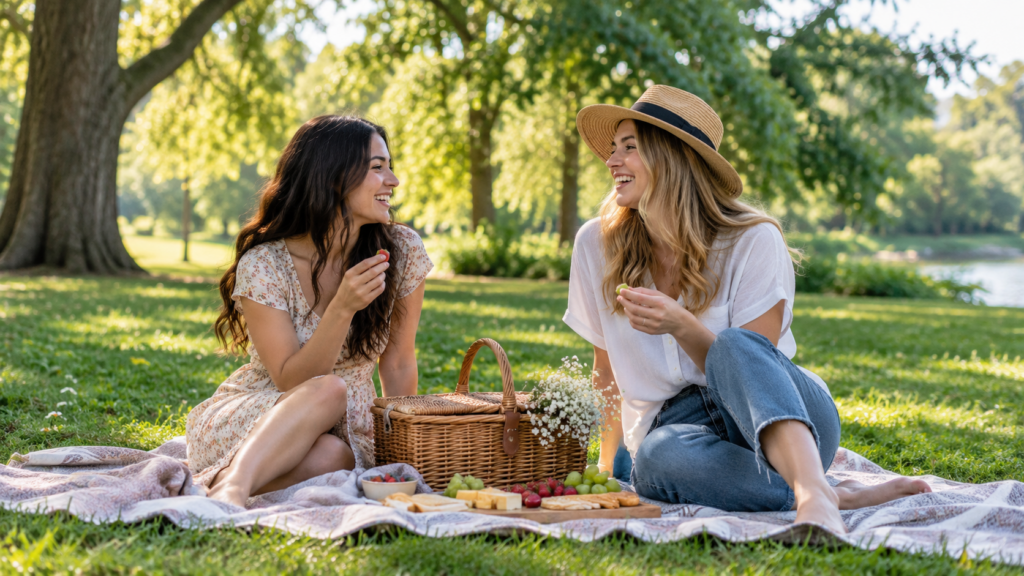
Planning a Relaxed Outdoor Afternoon Close to Home
An outdoor afternoon does not need a long journey or a packed itinerary. A nearby park, an accessible walking route, or a familiar open space may offer enough variety for a change of pace. The most useful plan matches the people attending and leaves time to enjoy the place, rather than treating every moment as a task.
Begin with one main intention. You might want a gentle walk, time to sketch, or a shared picnic. Choosing a purpose makes it easier to select a suitable location and decide what to bring. Several activities can fit into the afternoon, but there is no need to promise all of them before you know how the day feels.
Check the place before setting expectations
Use current information from the site’s operator to check access, opening arrangements, and any restrictions relevant to your visit. Confirm facilities that matter to the group, such as toilets, seating, or suitable paths. Do not assume that a place you visited previously has exactly the same arrangements now, particularly when your plan depends on a specific feature.
Consider the route to the site as part of the outing. Decide how everyone will arrive and where you will meet. Keep the journey realistic for the available time. If someone needs a shorter walk or a place to rest, discuss that beforehand so the visit does not depend on them keeping pace with an unsuitable plan.
Check the forecast shortly before leaving and prepare for the conditions. Bring the ordinary supplies needed for your activity and the length of the visit. Keep belongings manageable, because carrying too much can make a simple outing less comfortable. Choose a different day or activity if conditions make the original plan inappropriate.
Leave room for a slower rhythm
Once you arrive, start with the simplest part of the plan. Take time to notice the surroundings and see how the group feels. A walk can be shorter than expected, and a quiet stop can become the most enjoyable part of the afternoon. Flexibility helps the outing remain a shared experience rather than a schedule everyone must complete.
Follow the site’s instructions and be considerate of other visitors. Keep shared routes clear, manage any rubbish you produce, and leave plants and wildlife undisturbed. If photographs are part of your visit, respect other people’s privacy. A pleasant outdoor experience includes the way you use a place that others also rely on.
Before leaving, gather your belongings and check that the group has a clear plan for returning home. Later, note what worked well and what you would change next time. You may find that a familiar nearby location offers plenty of possibilities when you approach it with a different activity. A relaxed outing succeeds through realistic preparation and space to enjoy being there.